


 Menu
Menu




 Meet The Team

 Meet The Team
 In The News
-
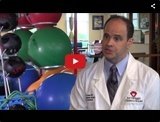
See Dr. Cohen’s tip about soccer related injuries and how they can affect a child’s growth plate if not managed correctly
-
Personalized Physical Therapy Puts Bryant Back on the Court
Bryant could hear the whistles blowing as he walked by the gymnasium. He had grown up playing football, golfing and swimming, but basketball was his true passion.
-
No off-season for sports injuries
As a new season of school sports and youth leagues gets underway, medical professionals are gearing up for the sprained ankles, skinned knees, broken arms and other injuries that inevitably come with the games.
-
Student Athletes Benefit from Individualized Treatment at U18 Sports Medicine
Becoming involved in a sport is one of the healthiest things that a child can do.
-
For young athletes, injuries need special care
More programs are using procedures and surgical techniques tailored for kids.
-
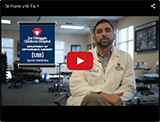
Dr Frank u18 Tip 1
-

Segment U18 Tip with Dr Frank 1
-
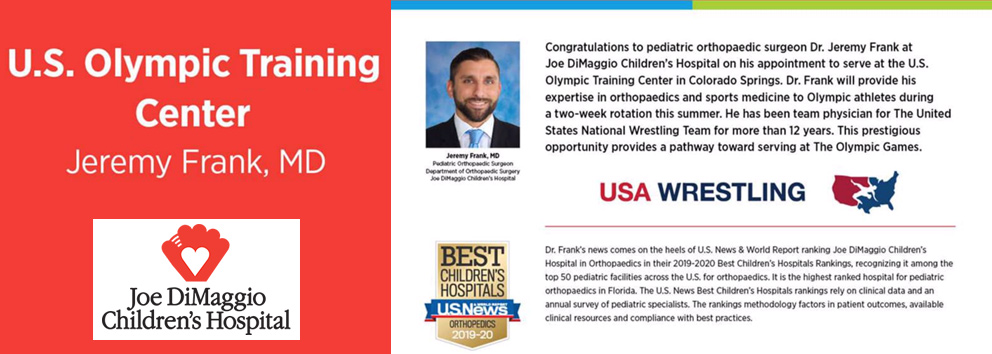
Dr. Frank’s 2010 WQAM high school football game halftime interviews
 Hollywood Office

![[U18] Sports Medicine](https://www.kidbones.net/wp-content/themes/ypo-theme/images/u18-sports-medicine-performing-arts-logo.png)





Home | Disclaimer | Privacy | Accessibility Statement | Sitemap | Feedback | Tell a Friend | Contact Us
The above information is not medical advice and is provided for information only. You should not make any treatment decisions on the basis of this information.
-
 Coral Springs Office
Heron Bay Corporate Center
Building IV
5830 Coral Ridge Dr.
Coral Springs, FL 33076